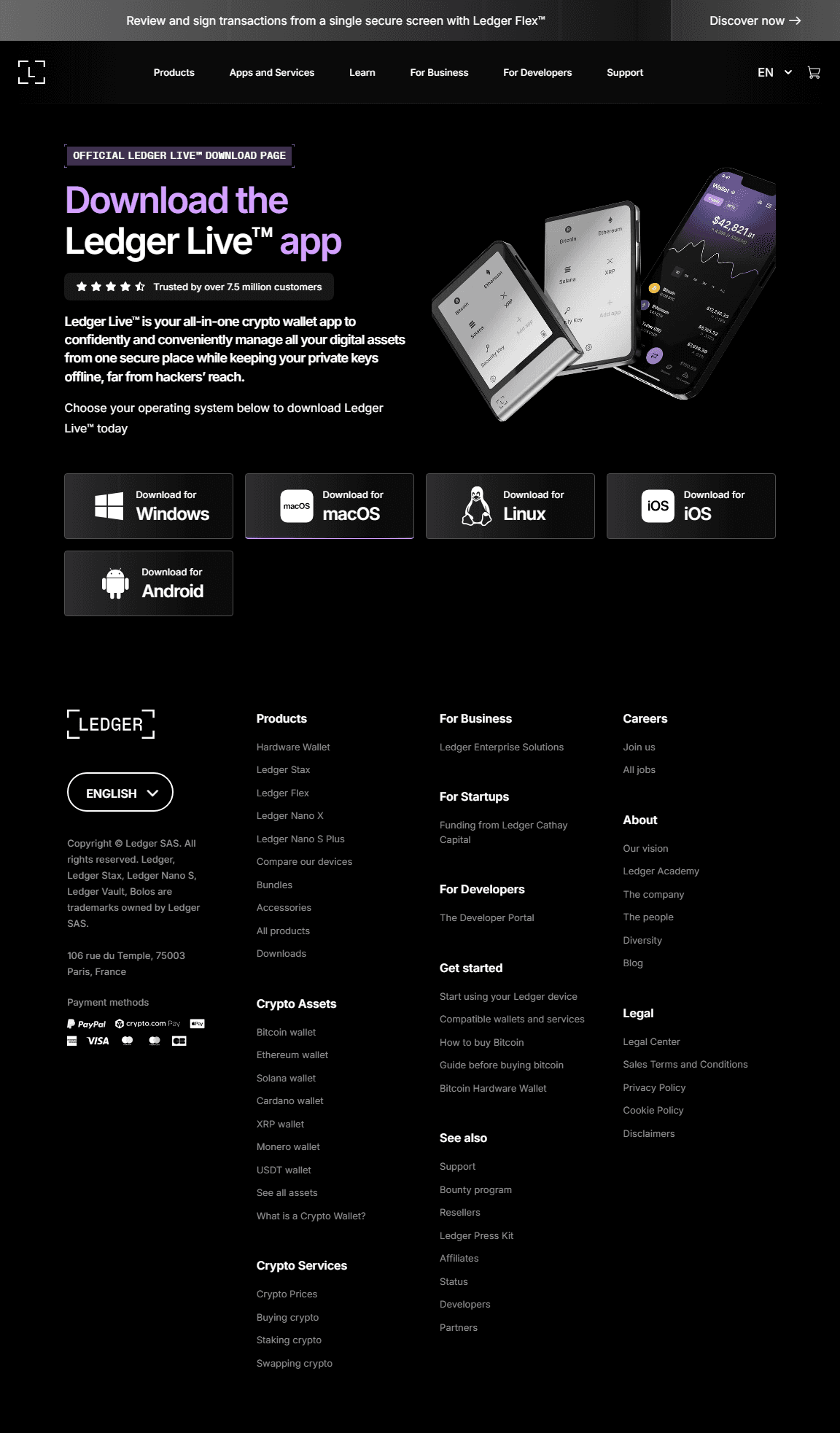
Ledger Login: A Comprehensive Overview of Secure Authentication for Crypto Users
As digital finance continues to expand, the need for strong, reliable security systems has become a top priority for cryptocurrency users. Unlike traditional banking, blockchain technology places asset ownership directly in the hands of individuals. While this offers freedom and control, it also comes with responsibility. One of the most effective solutions addressing this responsibility is Ledger Login.
Ledger Login is not just a way to sign in—it is a security-first authentication system designed to protect digital assets from online threats. This guide explores Ledger Login in depth, explaining how it works, why it matters, and how it fits into the broader Web3 ecosystem.
Understanding Ledger Login
Ledger Login is an authentication mechanism that uses a Ledger hardware wallet to verify a user’s identity. Instead of relying on passwords, two-factor codes, or centralized servers, Ledger Login requires cryptographic verification through a physical device.
This approach ensures that private keys remain isolated from the internet, significantly reducing the risk of theft, hacking, or unauthorized access.
The Role of Ledger Login in Modern Crypto Security
Cryptocurrency operates in a trustless environment, meaning users must independently secure their assets. Ledger Login supports this model by introducing hardware-based authentication.
Why Ledger Login Is Critical
Passwords can be stolen or guessed
Phishing attacks are increasingly sophisticated
Software wallets are vulnerable to malware
Centralized login systems can be breached
Ledger Login eliminates these weaknesses by shifting trust from software to hardware.
Ledger Login and the Ledger Ecosystem
Ledger Login functions within the broader Ledger ecosystem, which includes:
Ledger hardware wallets
Ledger Live application
Third-party blockchain platforms
Web3 applications
By integrating seamlessly with these components, Ledger Login provides a unified and secure user experience.
Supported Ledger Devices for Login
Ledger Login is compatible with several Ledger hardware wallets:
Ledger Nano S
Ledger Nano S Plus
Ledger Nano X
Each device is equipped with a Secure Element chip that isolates sensitive data and performs cryptographic operations safely.
How Ledger Login Authenticates Users
Ledger Login relies on cryptographic challenge-response authentication. Here’s how it works:
A login request is initiated by a platform
The request is sent to the Ledger device
The Ledger device signs the request internally
The signed response proves ownership of the key
Access is granted without exposing private keys
This process ensures authentication without compromising security.
Getting Started with Ledger Login
Initial Device Setup
Before using Ledger Login, users must set up their Ledger hardware wallet by:
Creating a PIN
Writing down the 24-word recovery phrase
Confirming device authenticity
This setup forms the foundation for secure Ledger Login usage.
Ledger Login Through Ledger Live
Ledger Live is the official application used to manage assets and authenticate users.
Ledger Live Login Flow
Launch Ledger Live
Connect your Ledger device
Unlock the device with your PIN
Approve the login request
Once logged in, users can manage accounts, track balances, and interact with blockchain services securely.
Ledger Login for Decentralized Applications (dApps)
Ledger Login plays an essential role in decentralized finance and Web3 applications.
Use Cases
Connecting to DeFi platforms
Approving smart contract interactions
Accessing decentralized exchanges
Managing NFT collections
All approvals are confirmed directly on the Ledger device, preventing unauthorized actions.
Ledger Login with Browser-Based Wallets
Ledger Login can be paired with browser wallets to enhance security.
Why Combine Ledger Login with Browser Wallets
Protects against browser vulnerabilities
Keeps private keys offline
Adds a hardware confirmation layer
This setup is widely used by advanced Web3 users.
Security Advantages of Ledger Login
Hardware-Level Protection
Sensitive operations are performed inside the device, not on the computer.
Manual Authorization
Physical interaction is required for every login.
Offline Key Isolation
Private keys never leave the secure environment.
Attack Resistance
Malware, keyloggers, and phishing attempts are rendered ineffective.
Ledger Login vs Conventional Authentication Methods
Authentication TypeSecurity LevelKey ExposureUser ControlLedger LoginVery HighNoneFullPassword LoginLowPossibleLimitedTwo-Factor AuthMediumPartialModerate
Ledger Login stands out as the most robust option.
Common Ledger Login Errors and Solutions
Device Not Recognized
Replace USB cable
Restart Ledger Live
Update drivers
Login Request Not Displayed
Ensure correct app is open on device
Refresh the requesting platform
Firmware Issues
Update Ledger firmware
Restart both device and application
Most issues are easily resolved with basic troubleshooting.
Ledger Login Best Practices
To maintain maximum security:
Store recovery phrase offline
Never enter recovery words online
Use official Ledger software only
Keep firmware updated
Lock your device when not in use
These habits significantly reduce risk.
Recovering Ledger Login Access
If a Ledger device is lost or damaged, Ledger Login access is not lost permanently.
Recovery Steps
Acquire a new Ledger device
Choose recovery mode
Enter the 24-word recovery phrase
Create a new PIN
This restores all login credentials and assets.
Ledger Login and User Privacy
Ledger Login does not rely on:
Email addresses
Personal data
Centralized identity records
Authentication occurs using cryptographic proof, preserving anonymity and decentralization.
Who Benefits Most from Ledger Login
Ledger Login is ideal for:
Long-term crypto holders
DeFi users
NFT traders
Blockchain developers
Enterprises managing digital assets
Anyone prioritizing security can benefit.
Ledger Login in Business and Enterprise Environments
Organizations use Ledger Login for:
Secure internal access
Blockchain-based authentication
Multi-user authorization
Digital identity systems
Its scalability makes it suitable for professional use cases.
Ledger Login and the Evolution of Web3
As Web3 adoption grows, Ledger Login is expected to support:
Passwordless authentication
Decentralized identity frameworks
Cross-platform access control
Secure metaverse authentication
Ledger Login aligns perfectly with the decentralized future of the internet.
Frequently Asked Questions About Ledger Login
Is Ledger Login mandatory?
No, but it is strongly recommended for security.
Can Ledger Login be used on mobile devices?
Yes, via Ledger Live mobile.
Is Ledger Login safe for beginners?
Yes, it is designed to be intuitive and secure.
Final Thoughts on Ledger Login
Ledger Login represents a shift away from vulnerable, password-based systems toward hardware-backed security. By requiring physical confirmation and keeping private keys offline, it offers unmatched protection for digital assets.
As cyber threats increase and crypto adoption accelerates, Ledger Login stands as a trusted solution for secure authentication. Whether you are an individual investor or a business operating in the blockchain space, Ledger Login provides confidence, control, and peace of mind.