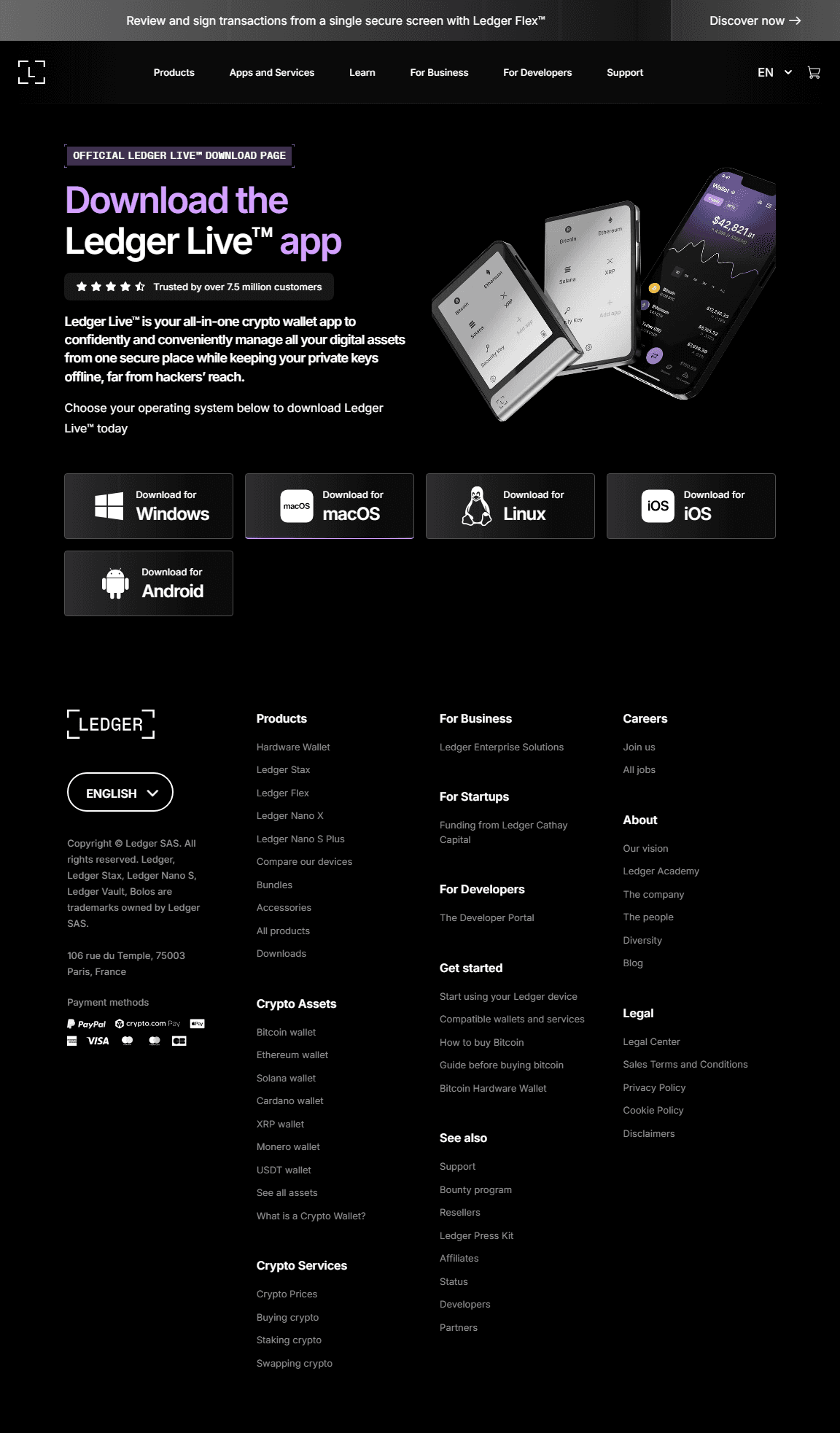
Ledger Login Explained: Hardware-Based Authentication for the Crypto World
As digital assets continue to redefine finance, security remains one of the biggest challenges for users. Unlike traditional banking systems, cryptocurrency ownership removes intermediaries and places full responsibility on individuals. This shift demands stronger protection methods than simple usernames and passwords. Ledger Login addresses this challenge by introducing hardware-based authentication that prioritizes control, privacy, and security.
This article offers an in-depth look at Ledger Login, covering its design philosophy, real-world use cases, setup process, security layers, and its growing importance in the Web3 ecosystem.
The Concept Behind Ledger Login
Ledger Login is built on the idea that true ownership requires physical verification. Instead of trusting centralized servers or software-only wallets, Ledger Login relies on a dedicated hardware device to authenticate users.
By confirming login actions directly on a Ledger hardware wallet, users eliminate many of the weaknesses associated with online authentication systems.
Why Traditional Logins Fail in Crypto Environments
Standard login systems were designed for centralized platforms, not decentralized finance. When applied to crypto, they expose serious flaws.
Limitations of Traditional Authentication
Password reuse across platforms
Susceptibility to phishing emails
Database breaches exposing credentials
Malware stealing keystrokes
Ledger Login replaces these vulnerable methods with cryptographic proof and physical confirmation.
Ledger Login as a Trustless Authentication Method
One of the core principles of blockchain technology is trustlessness. Ledger Login aligns perfectly with this principle by removing reliance on third parties.
What Makes It Trustless
No centralized identity database
No stored passwords
No external authentication servers
Verification happens on the blockchain level
Users prove ownership of cryptographic keys rather than personal information.
Devices That Power Ledger Login
Ledger Login operates exclusively through Ledger hardware wallets, which are engineered for maximum security.
Supported Hardware Wallets
Ledger Nano S
Ledger Nano S Plus
Ledger Nano X
Each device includes a Secure Element chip designed to resist tampering and unauthorized access.
How Ledger Login Verifies Identity Without Passwords
Ledger Login uses cryptographic signatures to confirm identity.
Authentication Flow
A platform sends a login challenge
The challenge reaches the Ledger device
The device signs the challenge internally
The platform verifies the signature
Access is granted
At no point are private keys revealed or transmitted.
First-Time Preparation for Ledger Login
Before using Ledger Login, users must complete an initial setup process.
Essential Preparation Steps
Choose a strong device PIN
Securely store the 24-word recovery phrase
Verify device authenticity
Install official Ledger software
This preparation ensures long-term security and recoverability.
Ledger Login Inside the Ledger Live Application
Ledger Live acts as the central interface for Ledger Login.
What Ledger Live Enables
Secure device authentication
Asset management
Transaction approval
Portfolio tracking
Ledger Login ensures that only authorized users can access Ledger Live features.
Using Ledger Login Across Multiple Platforms
Ledger Login is not limited to one application. It works across various blockchain environments.
Compatible Platform Types
DeFi protocols
NFT marketplaces
Blockchain dashboards
Web3 identity platforms
This cross-platform compatibility makes Ledger Login extremely versatile.
Ledger Login and Smart Contract Interaction
Smart contracts automate blockchain actions, but they can also be exploited if approved blindly.
How Ledger Login Adds Protection
Displays transaction details on device
Requires manual approval
Prevents hidden contract execution
Users maintain full awareness and control over what they sign.
Enhancing Web3 Security with Ledger Login
Web3 introduces decentralized applications that operate directly from browsers. While innovative, this model increases attack surfaces.
Ledger Login strengthens Web3 security by:
Isolating private keys
Blocking unauthorized script execution
Requiring physical interaction
This creates a safer environment for decentralized browsing.
Ledger Login Compared to Software Wallet Authentication
FeatureLedger LoginSoftware WalletKey StorageOfflineOnlineMalware RiskExtremely LowModerateUser ConfirmationPhysicalDigitalSecurity LevelMaximumVariable
Ledger Login clearly offers superior protection.
Common Ledger Login Challenges and How to Resolve Them
Even secure systems can face occasional issues.
Connection Problems
Switch USB ports
Replace cables
Restart device
Authorization Not Showing
Open correct blockchain app
Reconnect Ledger Live
Outdated Software
Update Ledger Live
Install latest firmware
Most issues are resolved quickly with simple checks.
Daily Usage Tips for Ledger Login
To keep your Ledger Login experience smooth:
Connect device before opening platforms
Confirm transaction details carefully
Disconnect device after use
Lock device when idle
Consistency improves both security and convenience.
Ledger Login Recovery and Continuity
Losing a Ledger device does not mean losing access.
Recovery Essentials
24-word recovery phrase
New Ledger hardware wallet
Secure setup process
With the recovery phrase, users regain full control over assets and login capabilities.
Ledger Login and Data Privacy
Ledger Login avoids collecting personal data.
Privacy Advantages
No email registration
No user profiles
No tracking cookies
No centralized identity storage
This privacy-first approach reflects blockchain’s core values.
Who Should Prioritize Ledger Login
Ledger Login is particularly beneficial for:
Long-term crypto investors
High-value NFT holders
DeFi liquidity providers
Blockchain developers
Crypto-focused businesses
Anyone managing valuable digital assets should consider it essential.
Ledger Login in Professional and Enterprise Settings
Organizations use Ledger Login for:
Secure employee access
Multi-signature workflows
Blockchain identity verification
Treasury asset protection
It offers enterprise-grade security without sacrificing decentralization.
The Role of Ledger Login in Digital Identity
Ledger Login is paving the way for decentralized identity solutions.
Potential Identity Applications
Blockchain-based access credentials
Passwordless account systems
Cross-platform authentication
Self-sovereign identity models
This positions Ledger Login as more than just a wallet feature.
Future Innovations Around Ledger Login
Ledger continues to develop new features around authentication.
Expected Advancements
Broader dApp compatibility
Improved mobile integration
Enhanced user interfaces
Decentralized identity standards
Ledger Login is expected to evolve alongside Web3 growth.
Frequently Asked Questions About Ledger Login
Does Ledger Login work without internet?
The device stores keys offline, but platforms still require internet access.
Can Ledger Login be shared?
No. Each device is tied to a unique recovery phrase.
Is Ledger Login suitable for beginners?
Yes. The interface is simple, and security is automated.
Closing Perspective: Why Ledger Login Matters
Ledger Login represents a shift toward responsible digital ownership. By combining hardware security, cryptographic authentication, and physical verification, it eliminates many of the risks associated with managing cryptocurrencies online.
As digital assets continue to increase in value and importance, relying on outdated login methods is no longer sufficient. Ledger Login provides a modern, future-proof solution that empowers users to protect what they own—without compromise.